
Gender dynamics of tropical wildmeat systems: A systematic map of women’s roles and influence
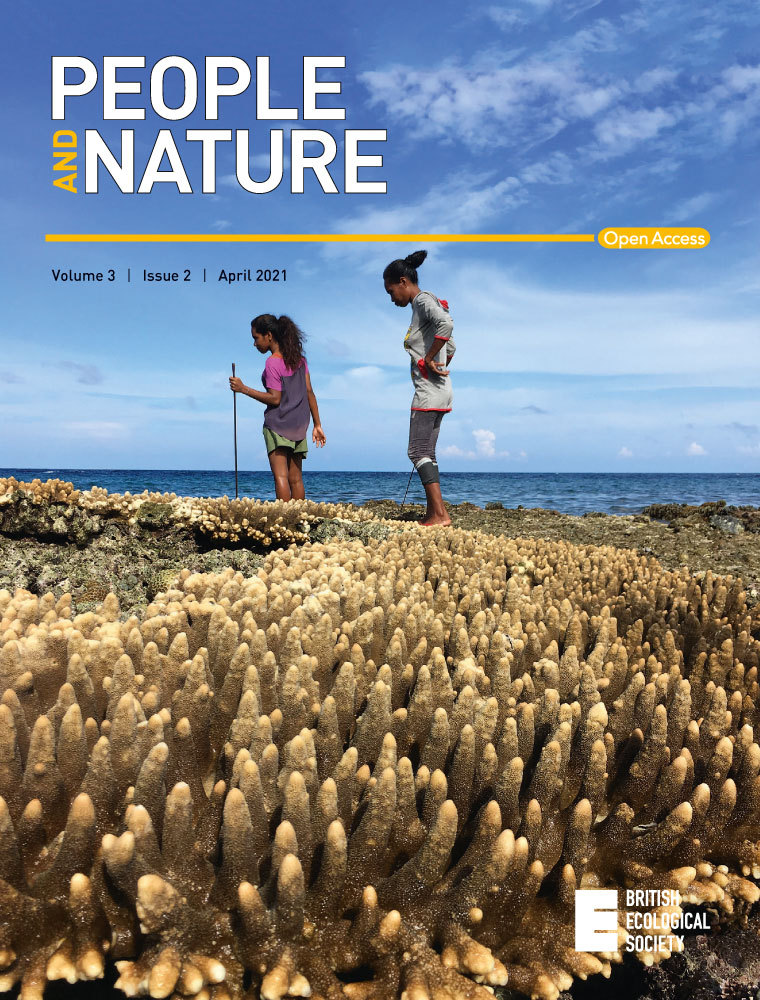
Wildmeat is a vital natural resource globally, which must be managed sustainably to avoid livelihood insecurity, species decline and biodiversity loss. Women have a pivotal role in harvesting, processing and distributing wildmeat, yet their contributions are often overlooked. Engaging women is essential for sustainable wildmeat management and equitable conservation, which requires an understanding of their roles and influence—an area that remains under-researched. To address this gap, we conducted a systematic map exploring gender dynamics in wildmeat systems. We searched six academic and grey literature directories using key terms in five languages and extracted data on women’s presence and absence in wildmeat systems from relevant publications. Our analysis of 334 publications across 54 countries identified 935 records of women’s presence and absence in 36 roles within tropical wildmeat systems. Women were most commonly consumers, traders and harvesters. Their presence and absence were strongly linked to their gender, such as domestic responsibilities assigned to women, or taboos against hunting and consuming wildmeat linked often with pregnancy and fertility. Women occupy vital roles in tropical wildmeat systems, from household consumption to commercial trade, influencing food security, community cohesion and market demand. Their contributions could support sustainable management, balancing conservation with livelihoods, but their participation in governance is poorly documented, risking their exclusion from decision-making. More research is also needed on gendered power dynamics and intersecting factors like age and ethnicity. We provide robust evidence linking gender and wildmeat and call for more gender-sensitive interventions that recognise women’s contributions, address their challenges and ensure their meaningful role in wildmeat governance. Women’s active participation in decision-making is essential for inclusive, equitable policies and interventions that promote both conservation outcomes and sustainable resource use.
Download :


This works is licensed under a Creative Commons Attribution 4.0 International License.
Authors
Willis Key, J.,Nurbandi, W.,González-Nava, B.,Gomez, J.,Castera, F.,Alvarenga, G.C.,Flottes De Pouzols, A.,Lemaire, M.,Linden, J.F.,Madsen, E.K.,Coad, L.,Hinsley, A.,Milner-Gulland, E.J.
Publication year
2025

